что ты ищешь?
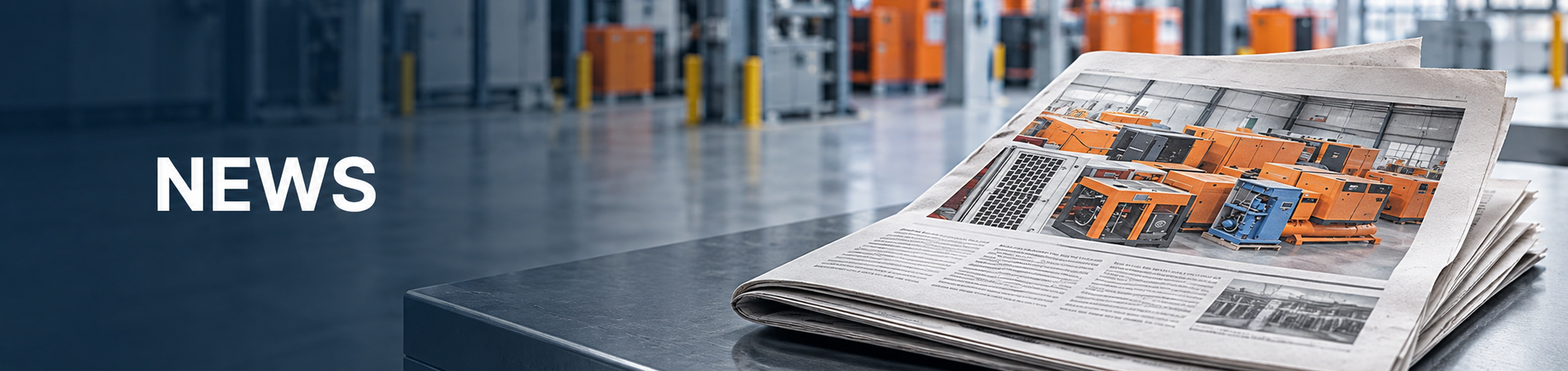
Воздушные компрессоры, являясь ключевым элементом систем очистки сточных вод, обеспечивают непрерывную подачу стабильного воздуха высокого давления, поддерживая эффективную работу ключевых процессов, таких как аэрация, обработка осадка и управление технологическими процессами. Они выступают в роли «невидимого источника энергии» для достижения очистки сточных вод и соответствия стандартам сброса. Энергоэффективность и стабильность воздушных компрессоров напрямую влияют на эксплуатационные расходы и эффективность очистки сточных вод, что делает их незаменимыми в системах очистки муниципальных и промышленных сточных вод.
1. Система аэрации: «Центр снабжения кислородом» для активного ила.
Аэрация является ключевым процессом биологической очистки сточных вод. Воздушные компрессоры подают воздух под высоким давлением в аэрационные резервуары, где аэрационные диски и диффузоры расщепляют воздух на мельчайшие пузырьки, обеспечивая достаточное количество кислорода для аэробных микроорганизмов в активном иле. В богатой кислородом среде эти микроорганизмы разлагают органические вещества, аммиачный азот и другие загрязняющие вещества в сточных водах, обеспечивая очистку воды. Для очистных сооружений различного масштаба широко используются винтовые и центробежные воздушные компрессоры благодаря их характеристикам высокого давления воздуха и большой производительности. Оснащенные системами частотно-регулируемого управления, они могут регулировать объем подачи воздуха в зависимости от качества воды, что значительно снижает энергопотребление.
2. Обработка осадка: «мощная опора» для разделения твердых и жидких фаз.
На этапах сгущения и обезвоживания осадка воздушные компрессоры приводят в действие такое оборудование, как пневматические диафрагменные насосы и пневматические клапаны. Пневматические диафрагменные насосы, благодаря своей коррозионной стойкости и высокой адаптивности, могут эффективно транспортировать осадок с высоким содержанием воды и сложным составом. Пневматические клапаны точно контролируют направление и скорость потока осадка, обеспечивая стабильную работу машин для обезвоживания осадка и достижение степени его уменьшения. По сравнению с электрическим оборудованием, пневматические системы имеют более низкий уровень отказов и более выгодные эксплуатационные и технические затраты в условиях влажной, высококоррозионной среды очистных сооружений.
3 Управление технологическими процессами: «инструмент регулирования» для точной работы.



 IPv6 сеть поддерживается
 English
 français
 Deutsch
 русский
 español
 português
 日本語
日本語 한국의
한국의 ไทย
ไทย 中文
中文